


From Crisis to Care: Catholic Action for Children
Since November 2025, Catholic leaders, religious congregations, Catholic-inspired humanitarian organizations, academic institutions, child-protection experts, and young people with lived experience have participated in a global process of discernment and collective planning aimed at strengthening the Church’s response to the escalating crises facing children and their families.
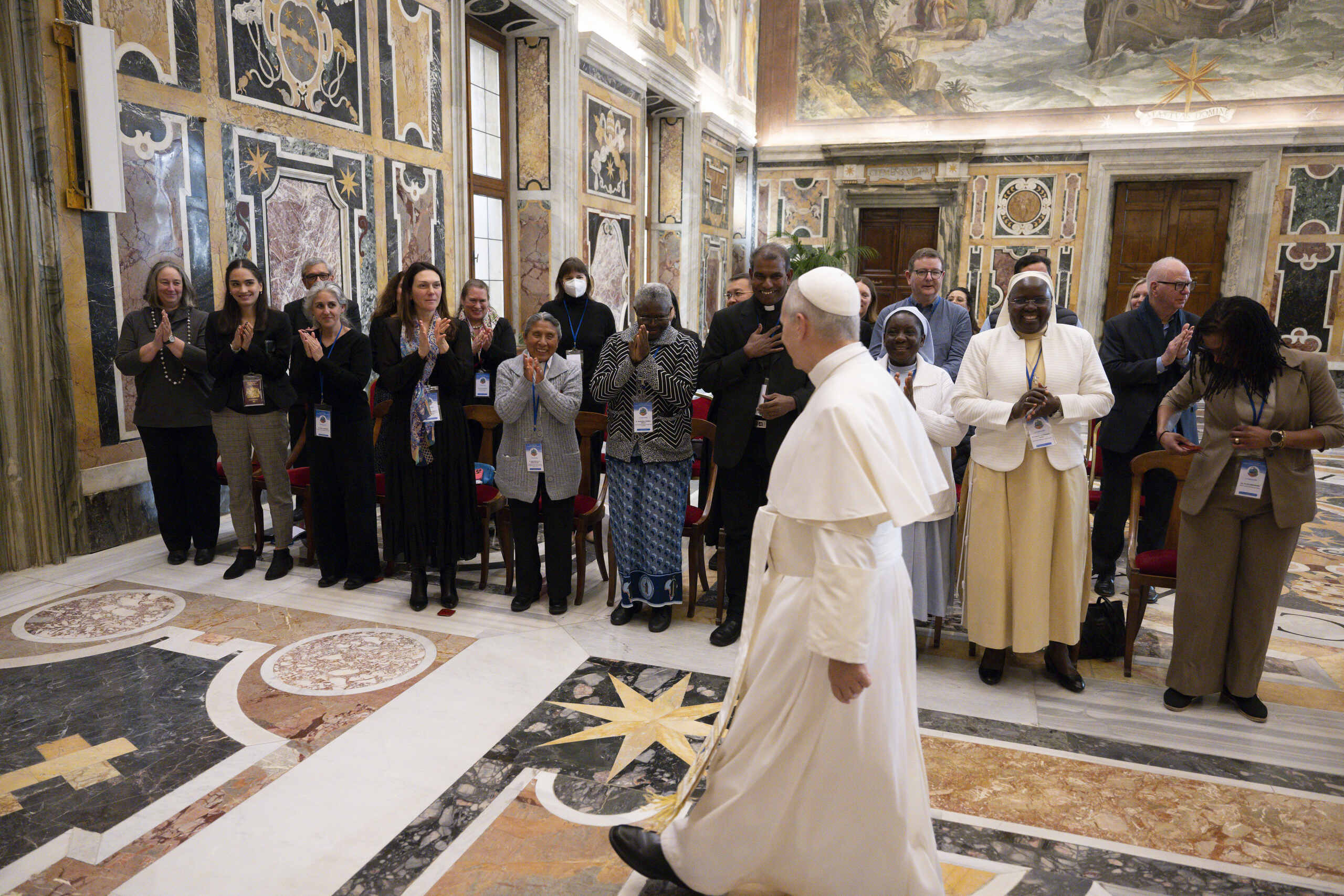
This initiative—From Crisis to Care: Catholic Action for Children—emerged in response to Pope Francis’ urgent call in February 2025 to safeguard the rights, dignity, and well-being of children amid what he described as a global “poly-crisis.”
The process included three international webinars (November 2025 to January 2026) and an in-person gathering of 70 participants from 19 countries across five continents, held in Rome from February 2-5, 2026. The initiative was co-sponsored by the Vatican Dicastery for Promoting Integral Human Development, the Pontifical Academy for Life, the International Union of Superiors General (UISG), and the Union of Superiors General (USG). Georgetown University’s Collaborative on Global Children’s Issues was pleased to participate on the steering committee for the initiative, alongside the co-sponsors and representatives from Catholic Relief Services, the GHR Foundation, and Maestral International.
Building on Pope Francis’ Commitment to Children’s Rights
In February 2025, Pope Francis convened the International Summit on Children’s Rights –
“Love Them and Protect Them” at the Apostolic Palace, Vatican City. Pope Francis emphasized the worsening global reality: children dying in conflicts; migrant children “lost” along dangerous routes; minors lacking health care, protection, or birth registration; and pervasive exploitation and violence. The summit concluded with a Declaration of the World Summit on Children’s Rights, which included a global call to action on behalf of all children: “The international community must take action to protect these essential rights. . . We are all jointly responsible for the protection of the most fragile, turning away from them is not allowed.”
How important it is to listen, for we need to realize that young children understand, remember, and speak to us. And with their looks and their silences, too, they speak to us. - Pope Francis
The Rights of the Child in Today’s World were articulated as follows:
- The Child’s Right to Resources
- The Child’s Right to Education
- The Child’s Right to Food, Nutrition and Health Care
- The Child’s Right to Family
- The Child’s Right to Free Time and Leisure
- The Child’s Right to Live Free from Violence, Child Labor, and Exploitation
- The Child’s Right to Protection during Armed Conflicts and Ecological Devastation
Participants involved in the From Crisis to Care initiative reflected on these rights and the ways in which they are threatened, informed by Catholic social teaching, the synodal vision of the Church as the People of God, and Pope Leo XIV’s 2026 Message for the World Day of the Sick, emphasizing that compassion is realized through relationships and collective action. Participants acknowledged that children today face overlapping, mutually reinforcing crises: geopolitical instability, displacement, climate shocks, economic stress, violence, and declining trust in institutions.
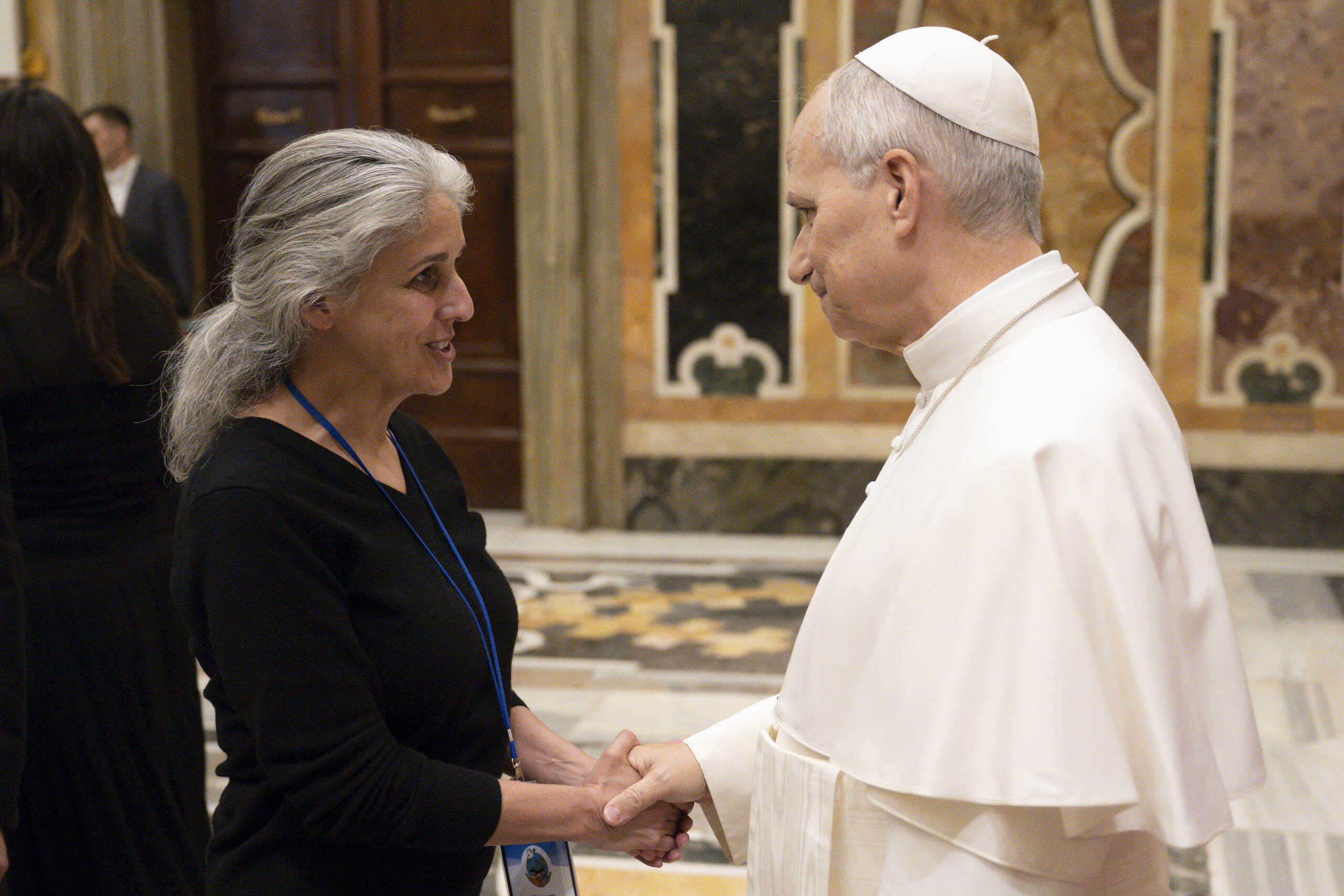
“In the current global context, drastic reductions in development aid and humanitarian assistance pose new—and intensify existing—threats to the well-being of vulnerable children and families," Collaborative on Global Children’s Issues Executive Director Gillian Huebner explained.
"Catholic institutions, sisters, clergy, and laity are uniquely placed to respond through coordinated approaches to care, protection, and advocacy at community, national, and global levels. Ensuring these responses reflect evidence-based good practice and are firmly centered on promoting the best interests of the child will be critical.”
Reading the Signs of the Times
The global landscape facing children today is marked by unprecedented demographic shifts and deepening vulnerabilities:
- More than half of the global population is under the age of 30, representing the largest generation of young people in history;
- Approximately 90% of the world’s children and youth live in low -and middle-income countries—disproportionately affected by poverty, poor health, unemployment, violence, family separation and exclusion;
- More children than ever before are on the move, as nearly 40% of the 123 million displaced persons worldwide are under the age of 18; and
- More than half of the world’s young people experience physical, emotional, and sexual violence, with increasing numbers affected by online abuse.
At the very moment when threats to children and families are increasing, funding volatility has destabilized essential services for families and children worldwide. Catholic institutions and partners, often running schools, clinics, and shelters, supporting migrants, providing social services, accompanying vulnerable families, and responding in emergencies, face shrinking resources as needs surge. These mounting pressures are eroding the protective environments children need—safe, nurturing, and consistent care within a family, supportive communities, and access to education and health care.
Developing a Catholic Action Plan for Children
Grounded in the synodal approach, participants emphasized that addressing children’s needs requires moving beyond individual organizational efforts toward coordinated, structural, and global collective action. They agreed on the need for a “whole-child, whole-environment” lens, recognizing that children thrive when family, community, culture, and policy work together to ensure stable, nurturing care. The initiative will culminate in a public action plan to support Church leaders, communities, and partners, with the aim of ensuring that every child grows up in safe, nurturing family care supported by strong, coherent systems.
Addressing participants on February 5, 2026, Pope Leo XIV acknowledged the widening gap between global commitments for sustainable development and children’s lived realities, and he encouraged Catholic institutions to work in greater harmony to address the transversal needs of children.
Let the good you know you are doing carry you forward. - Pope Leo XIV
Photo credits: © Vatican Media.