
Over the past 25 years, the United States Agency for International Development (USAID) played a significant role in shaping approaches to youth development and youth engagement in international development. Since March 2025, Senior Fellows Sarah Sladen and Michael McCabe at the Georgetown University Collaborative on Global Children’s Issues have gathered evidence and learning from the agency’s decades-long investments in young people to help chart a new path in a changing global landscape. Through a new online database of publicly funded research and evidence, a forthcoming report, and a recent community convening, these efforts aim to document lessons that can help inform the future of youth development and engagement in a changed global landscape.
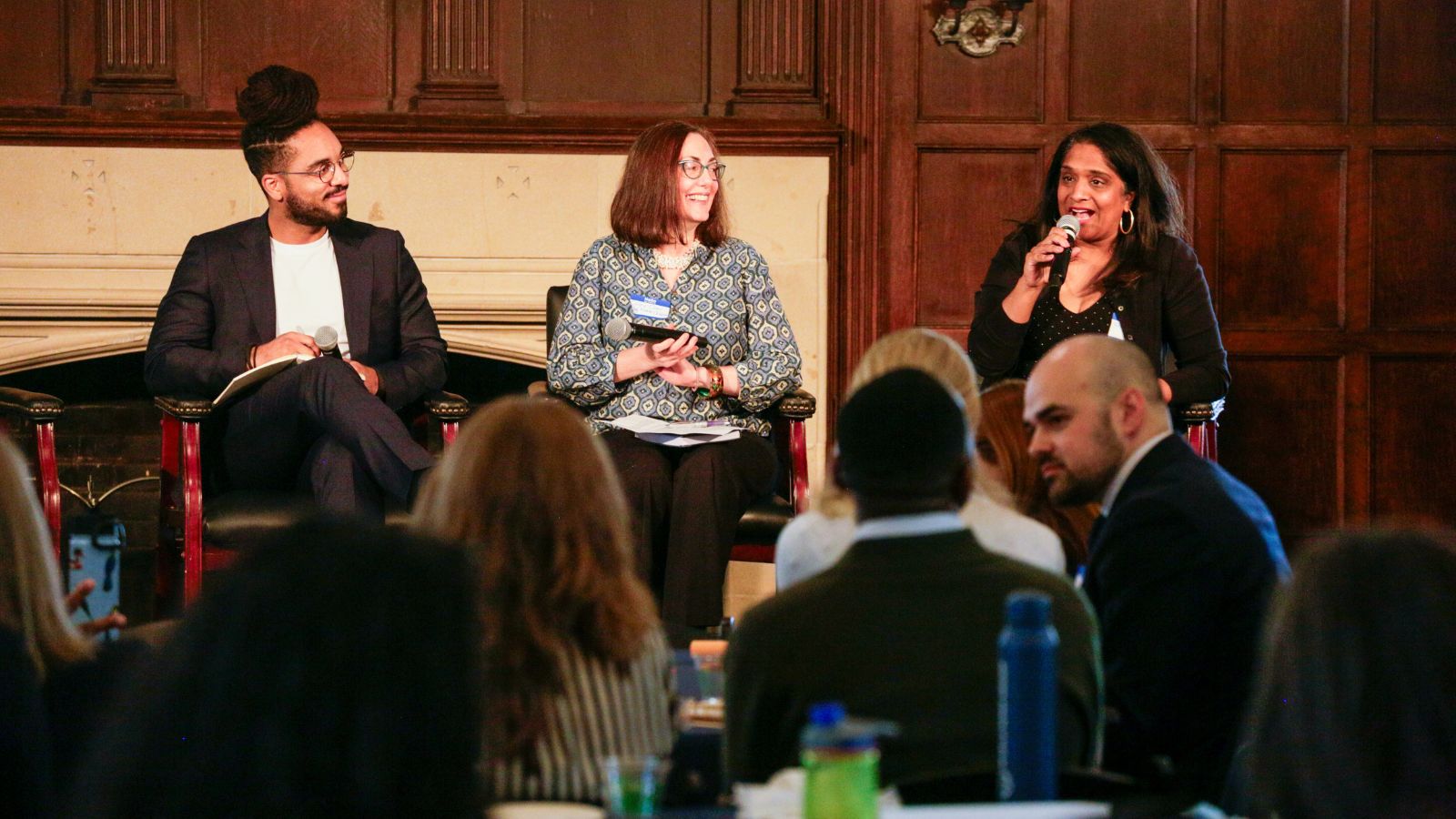
The collaborative hosted "Engaging Young People As Partners in Policy and Practice: Lessons from 25 Years of Global Youth Development and the Path Forward" on April 24, 2026. The event brought together more than 100 former U.S. government staff, practitioners, funders, researchers, students, and young leaders at Georgetown University for fireside chats and roundtable discussions that validated emerging findings and shaped recommendations for centering youth leadership in a changing global development landscape. A recording of the event can be found above.
Learning from the Past to Navigate the Future
In 2025, more than two decades of expanding U.S. government attention and support to youth in international development ended abruptly. The dismantling of USAID, then the world's largest bilateral development agency responsible for 28% of global development assistance, resulted in the termination of 86% of USAID programs, including those serving hundreds of thousands of young people. Amid this disruption, the collaborative undertook efforts to document lessons that can help inform the future. The report “Engaging Young People As Partners in Policy and Practice: Lessons from 25 Years of Global Youth Development and the Path Forward” (forthcoming June 2026) documents the evolution of the U.S. government's foreign assistance approach to youth in development and youth engagement at USAID between 2000 and 2025. Drawing on these lessons, it offers forward-looking recommendations to ensure young people remain in focus.



Twenty-Five Years of Youth in Development
Report findings draw on key public policies, projects, funding data, and strategic models, as well as interviews and focus groups with agency staff, partners, researchers, advocates, and young people who contributed to the agency’s impact. The report captures learning from research, evidence, policy, and practice that shaped the agency’s approach to youth programming.
Philosophy and Approach
Youth development is development. Investments in young people’s outcomes yield returns across all sectors, but gaps between early childhood and adult-focused programs continue to leave adolescents behind, creating both an urgent policy priority and a demographic opportunity.
Asset-based approaches have a transformative effect. USAID’s adoption of positive youth development (PYD) as both a philosophy and an approach reshaped program design toward cross-sectoral models, strengthened resource allocation through integrated programs, and broadened measurement frameworks to include both inputs and outcomes. This approach positioned youth as assets to society rather than problems to be solved.
Young people’s developmental needs are multifaceted. Some of USAID’s most successful programs recognized, for example, that young people’s workforce outcomes are closely linked to their health and security. More support is needed for these integrated approaches through flexible funding, procurement, and reporting requirements, in addition to multisector teams willing to collaborate.

“[As a youth-led organization] we rely on youth champions to fight for us, inside philanthropy, inside institutions.” - Daryna Oshenko, Manager, Youth Democracy Network (YDN) and Fireside Chat Speaker
Bringing Policy to Life
- Institutionalization requires demand, infrastructure, incentives, and champions. USAID youth policy implementation relied on the full system of actors and tools, including strong demand signals from leadership; youth goals in country strategies; strong technical guidance, staff capacity, and training; issue ownership by youth advisors and champions in every office; and sustained pressure from partners to ensure youth remained a priority within the agency.
- What gets measured gets noticed (and sometimes funded). Without an earmark for youth, stronger evidence and better reporting tools brought visibility to how and why youth populations were relevant to everything USAID did, and influenced dollars. At last reporting in fiscal year 2023, USAID was funding nearly $300 million in youth programs across its portfolios (including the President’s Emergency Plan for AIDS Relief [PEPFAR]).
- Locally led and trust-based approaches require young people’s partnership. USAID advanced its commitments to meaningful and inclusive youth engagement. However, these efforts also exposed deeply entrenched institutional barriers and leadership norms, even among willing funders, and underscored the need to address the persistent lack of trust in young people’s credibility within development practice and institutions.
Learning from Shocks and Disruptions
- Intergenerational trust is a global security imperative. A persistent theme over the past 25 years, which still rings true today, has been that trust between generations, and between young people and formal institutions, needs urgent attention. Youth are not waiting for governments and institutions to catch up to their demands for transparency, accountability, and service delivery for communities.
- To reap rewards and mitigate harms from technology, start with youth. Learning from USAID showed that development practice is often reactive rather than proactive about technology's impacts on young people. With the rise of artificial intelligence (AI), we have an opportunity to be proactive and put young people—its largest user base—at the center of designing solutions and governance for technology that responds to their needs.
- Adaptive and youth-inclusive programs showed resilience in times of disruption. From COVID-19 to conflict, USAID youth programs and partners frequently demonstrated resilience and adaptation. The integration of youth engagement and adaptive management, which promoted flexibility and learning, was critical to their success.
The Path Forward, in Community
On April 24, the collaborative convened over 100 former U.S. government staff, current funders, practitioners, young leaders, researchers, students, and other community members on Georgetown University's campus to validate and inform the lessons and recommendations emerging from the report.

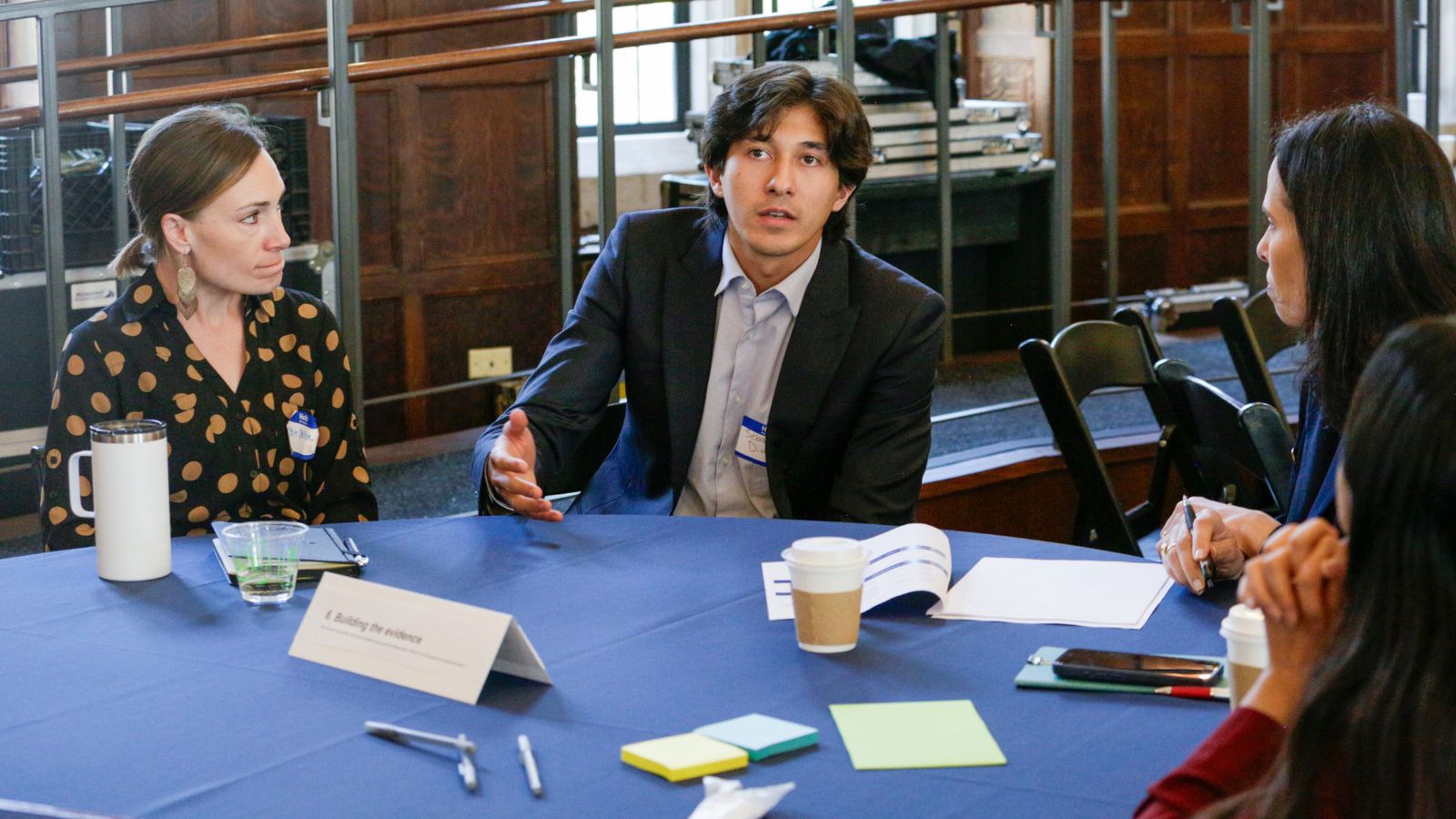
Through fireside chats and roundtable community dialogues, participants engaged with the past and the present, discussing strategies to center youth inclusion in this new operational environment.
Recommendations and the Path Forward
Support Systems Transformation through Inclusion and Leadership
Build youth engagement and leadership into organizational systems. Move beyond occasional consultation with youth—operationalize these commitments by firmly embedding them in institutional decision-making, budgets, and institutional culture through formal roles, co-governance models, and inclusive practices.
Invest in youth networks as ecosystems of support and impact. Stronger youth networks—formal and informal—are critical for connecting young people to opportunities, resources, and collective action.
Address the root causes of youth exclusion. Beyond symptoms, we must tackle the diverse underlying drivers of exclusion for young people. Youth exclusion slows economies and fuels economic inequality and social instability. Youth inclusion drives opportunity and is a net gain for all.
Move from Siloed to Systematic and Locally-Led Investments
Adopt flexible, trust-based funding models. Youth-led organizations deliver strong results but face numerous obstacles to funding and partnership. More flexible, participatory, and long-term approaches are needed to shift decision-making power and reduce these barriers.
Prioritize youth economic opportunity. More than conflict or AI, demographic and labor market pressures will shape the long-term trajectory of the global economy. A coordinated effort across governments, the private sector, education systems, and civil society is needed to scale inclusive youth economic opportunity.
Support Young People’s Multifaceted Needs and Aspirations
Strengthen feedback loops and accountability to youth. Effective youth engagement requires continuous dialogue, transparency, and clear pathways for influence to ensure that decision-making processes and programs remain responsive and adaptive to young people’s needs.
Develop more comprehensive metrics for measuring youth agency and inclusion. Traditional metrics often measure participation but not youth agency, leadership, and resilience—vital outcomes that can shape young people’s long-term trajectories.
Plan for Disruptions by Building Supportive Systems with Youth
Make youth mental health and well-being a cross-cutting priority. Mental health is foundational and affects outcomes across all sectors. Investing in integrated, culturally responsive, and youth-informed approaches is needed to yield strong social and economic returns.
Advance safe, inclusive, and equitable digital engagement. Expanded digital access must go hand-in-hand with stronger governance, protections, and digital literacy that put youth at the center, not as an afterthought.
“If impact is not translated into political understanding and public legitimacy, it remains fragile. [...] There must be an understanding that this work is not charity at the margins, but about common interest and values: dignity, inclusion, participation, stabilization, and human security that at their best strengthen capacity, local institutions, and services for young people.” - Alejandro Feferbaum, Former Youth Advisor, USAID/Columbia and Fireside Chat Speaker
Meeting the Moment For and With Young People
Eight community dialogues reinforced report findings and recommendations, while raising new ideas for how to navigate the road ahead with and for young people. What emerged clearly from the dialogue is that the path forward requires reimagination, which includes learning from the past and understanding old models, though not necessarily restoring them. All of us must critically reflect on the roles we can play to help advance essential investments in and support for young people.


The global-local connection matters. Investing in young people outside the U.S. is not charity—there is a need to shift the discussion and deepen understanding about the broad benefits to all here at home and around the world.
Integration over silos. Young people's lives do not fit neatly into programmatic categories. Approaches that reflect the full, multidimensional reality of who they are will always outperform those that do not.
Governments cannot act alone. Public sector collaboration is indispensable for sustainable development outcomes. However, cutting civil society, much of which is young, out of decision-making about local and global priorities and funding has undermined trust in institutions and left decision-makers less informed about communities’ needs.
Be willing to disrupt. If we are serious about system change, we have to be more comfortable with disruption—asking better questions, being transparent about failure, and being willing to try new and untested approaches.

“Changing the way we partner is about more than money […] make sure your processes are fit for the youth-led organizations and movements that you want to support. Ensure that your funding thresholds aren't too high or processes too complex [ …] and fund what organizations really need—this means considering staff wellbeing, remuneration, looking at reserves, and recognizing that funding infrastructure is about funding organizational impact." - Corey Oser, Vice President of Programming, Global Fund for Children
The funding gaps are real. Youth-led movements receive a fraction of available resources, and the same young people keep getting tapped for the same opportunities. Expanding who we listen to and invest in is urgent work.
Co-creation is more than a buzzword. Real partnership with young people means co-implementation, co-adaptation, and co-learning—not consultation after the decisions have already been made.
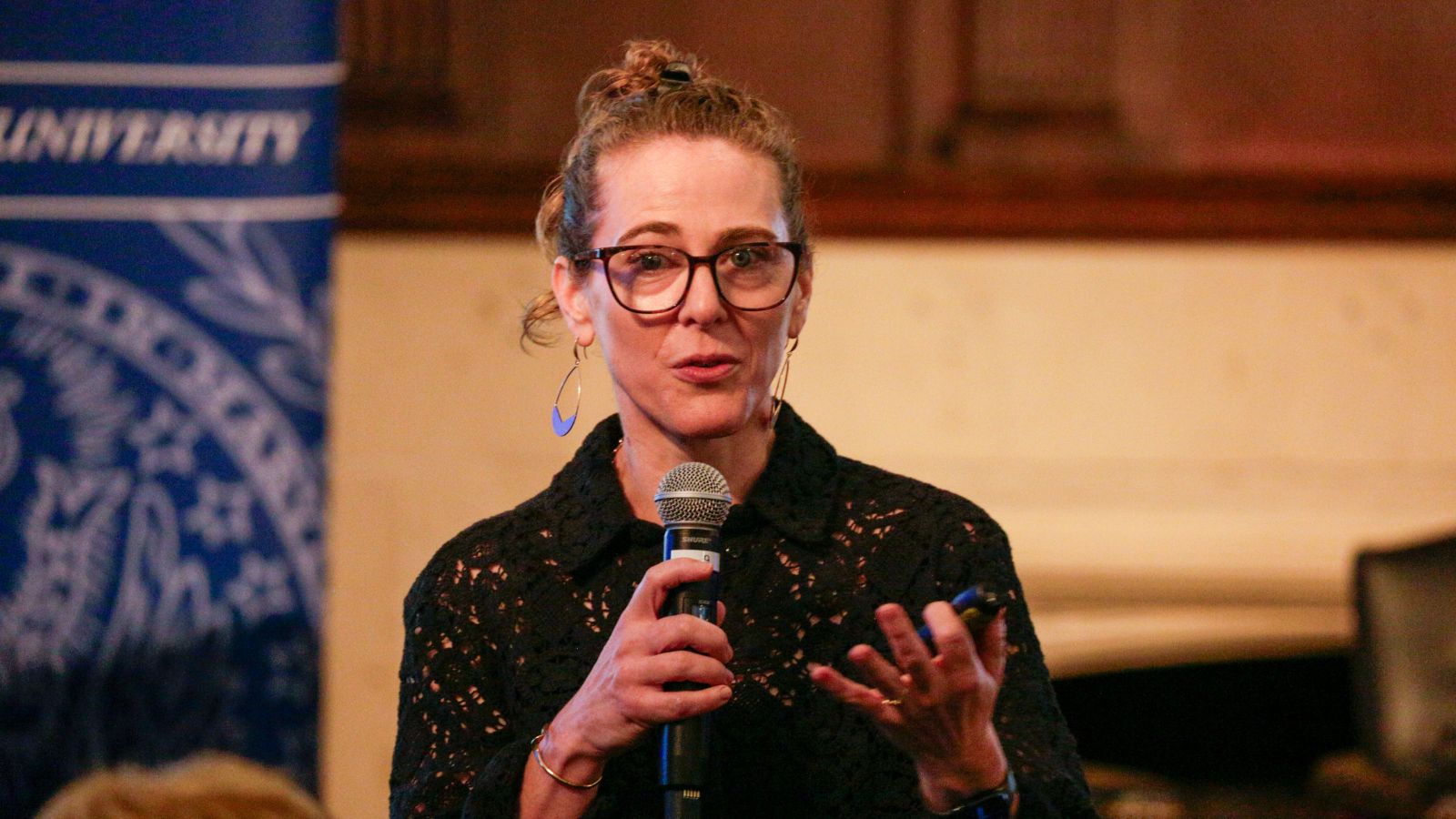
“Youth development has evolved dramatically over the past few decades—from early frameworks and pilots to a mature ecosystem of knowledge, policy, and practice. The next decade requires learning from the lessons of the past, and putting young people’s leadership, opportunity, and wellbeing at the center of decision-making about the future.” - Sarah Sladen, Senior Fellow, Collaborative on Global Children’s Issues